
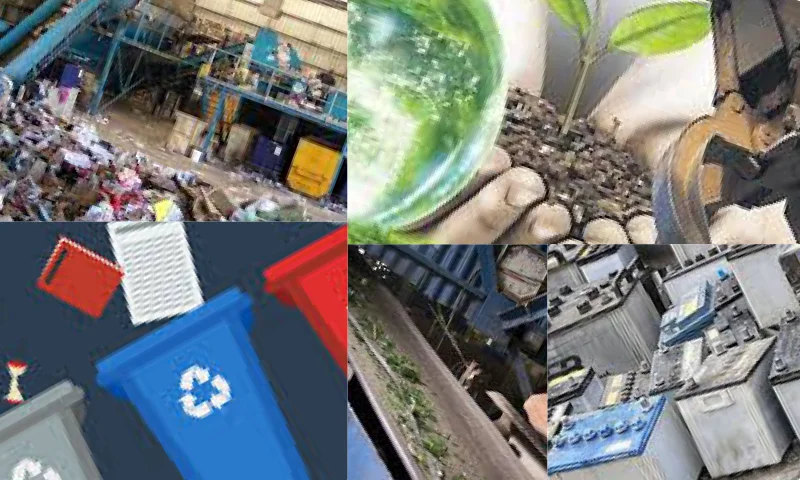
Classification of Hazardous Waste
What is Waste?
Wastes are evaluated as hazardous and non-hazardous wastes to the extent of the harm they cause to the environment and human health. Every waste released into the environment is harmful, but some wastes pose a greater risk to the environment due to their carcinogenic content, explosive, and flammable properties. You can get information about hazardous and non-hazardous waste types from companies on internet pages.
What is Hazardous Waste?
Every substance left in the environment because it is not used is classified as waste. Any substance arising from production or consumption that is no longer used by its user is accepted as waste. These substances can be in solid, liquid, or gaseous form. Waste management is to ensure that such substances are collected at the source before being released into the environment and transported to recycling facilities for proper processing. If a waste cannot be recycled in any way, these wastes must be disposed of in specially established waste facilities. They are wastes that pose a great risk to the environment and human health, therefore prohibited from being released into nature, and whose disposal must be carried out within the framework of the principles and rules specified in the Waste Management Regulation. These wastes, which generally emerge in oil and mining production areas, are industrial wastes. There are also types of domestic waste that fall under the hazardous waste class. Wastes must be collected appropriately according to their classes. Such wastes must be transported to waste disposal facilities by a specialized team using vehicles with special equipment for transportation.





