What is the Structure and Types of Fire Cabinets?
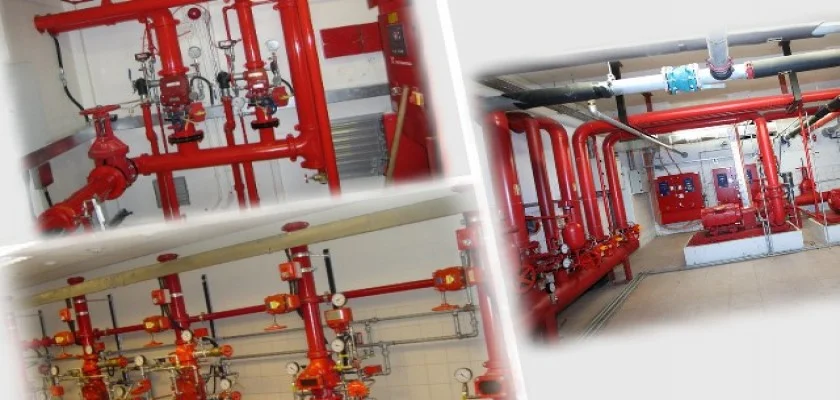
Fire cabinets are first response stations that contain various fire prevention devices to intervene in a possible fire hazard and prevent material and moral damage. Fire cabinets, which are becoming increasingly common in buildings and are legally mandated, act as a form of first aid. There are many models of fire cabinets depending on the area of the building or structure to be used, and they are designed to prevent the fire from spreading by intervening in it during the time it takes for the fire department to arrive and begin their response. Initially used in public buildings and businesses, fire cabinets have since spread to buildings and homes. In addition to cabinets of various sizes, fixed or mobile, red and gray fire cabinets are available. The hoses inside the fire cabinets, which are connected to the water supply of the buildings or structures but operate on a separate system, are made of a 2-inch wide, fabric-woven, 1-inch diameter, slightly rigid rubber-lined material. Beyond these dimensions, hoses of different weaves and materials are also available depending on the area of use.
How Does a Fire Cabinet Work and How is it Used?
In the event of a fire, it is crucial to have individuals with knowledge and training in firefighting use the fire cabinet, as it is a race against time. However, fire cabinets are designed for ease of use and can be operated by anyone. The valve on the hydrant is opened, allowing water to flow through the system to the fire hose. The end of the hose, equipped with a nozzle or spray gun, is directed towards the lower part of the burning area. Considering different types of fires, it is essential to receive training from professional units to approach the correct type of fire with the correct intervention method. Furthermore, fire cabinets should be checked at regular intervals, and drills should be conducted to ensure preparedness in case of potential disasters.
One end of the hose inside the fire cabinet is connected to a 1 or 2-inch valve on the hydrant. The other end is fitted with a nozzle or spray gun. The hose is kept wound on a movable reel located on the fire cabinet door to allow for the quickest possible intervention in case of a fire.