
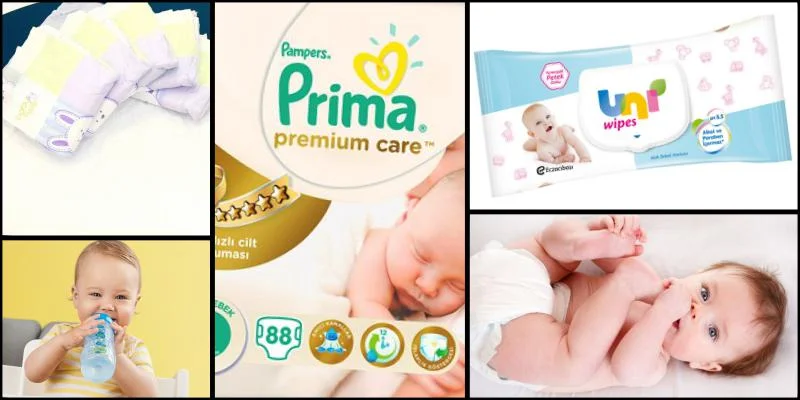
Advantages and Disadvantages of Disposable Diapers
What is a Disposable Diaper?
Babies learn to use the toilet between the ages of 2 and 5. Until then, their bottoms need to be diapered. Disposable diapers, which have replaced cloth diapers and are produced today under many different names, are a baby care product with many advantages and are one of the most important inventions in human history in this field. The journey of the disposable diaper, invented by a grandmother named Vic Mills who wanted to help her daughter, and which has been on the market since 1962, continues to this day. The structure of the diapers produced in those years was quite different from today's. First of all, they were very thick and large. Today, there are very thin varieties, separated into girls and boys, with a very high level of leak protection. Diapers, which consist of three layers, the first layer is in contact with the baby's bottom. This part uses a plastic-like material. The middle part consists of cotton and absorbent polymers. The last layer forms the outer surface of the diaper. The quality of the diaper is determined by the quality of the material used in these layers. You can visit the page for quality disposable diaper brands and price information.
Advantages and Disadvantages
Disposable diapers, which keep the baby's bottom dry for a long time, can delay the acquisition of toilet habits. It is very convenient to use. It provides comfort and peace of mind for the mother during travel and when away from home. However, it is more expensive than cloth diapers. You can visit the bebekbezidunyasi.com page for the diaper price list. Its easy availability and sale everywhere is an advantage. Causing environmental pollution because it generates a large amount of waste is one of the biggest disadvantages of disposable diapers.





