
What is a Bitumen Tank Used For?
What are the Types of Bitumen Tanks?
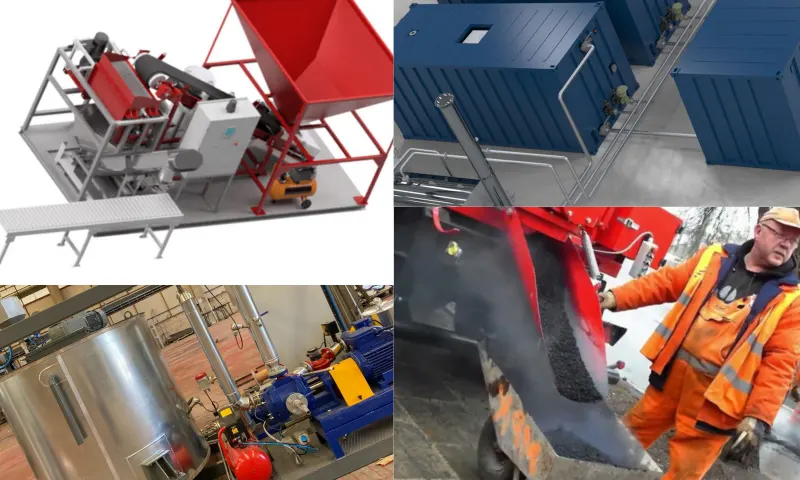
Bitumen tanks are indispensable equipment in the construction and road construction sectors. The main purpose of these tanks is to ensure the safe storage of bitumen and to keep it ready for use in projects when needed. Bitumen, which is especially used in asphalt production, needs to be kept at specific temperature values to maintain its fluidity. The bitumen tank undertakes both storage and heating functions at this point. These tanks, used in modern facilities, increase production continuity while reducing labor. Bitumen maintains its homogeneous structure, preventing a decrease in material quality. You can visit the web address https://mag-trade.com/en/products/bitumen-facilities/bitumen-tanks/ for detailed information about Bitumen Tanks.
What are the Criteria to Consider When Choosing a Bitumen Tank?
Bitumen tank types vary according to their fields of use and technical specifications. The first of these is stationary type tanks. Stationary type bitumen tanks are preferred for large-capacity projects because their installation is permanent and they provide long-term use. The second type is mobile tanks. Mobile tanks, being portable, offer a practical solution, especially in situations where work needs to be carried out at different construction sites. Container type bitumen tank models are also available. These types are easy to transport and offer advantages in short-term projects. Another important category among the types is horizontal and vertical designs. While horizontal tanks are used in areas with low ceilings, vertical tanks occupy less space. When choosing a bitumen tank, capacity, insulation quality, and energy consumption should be considered first. When determining the capacity, the daily production amount and the total material volume to be used in the project should be taken into account. Insulation quality directly affects energy efficiency. A well-insulated tank maintains the temperature of the bitumen for a longer time and reduces energy loss. The safety equipment of the tank is also important. Overheating prevention systems and pressure balancing equipment minimize potential risks.





