
Things to Consider When Bending Cylinders
Techniques to Consider During the Cylinder Bending Process
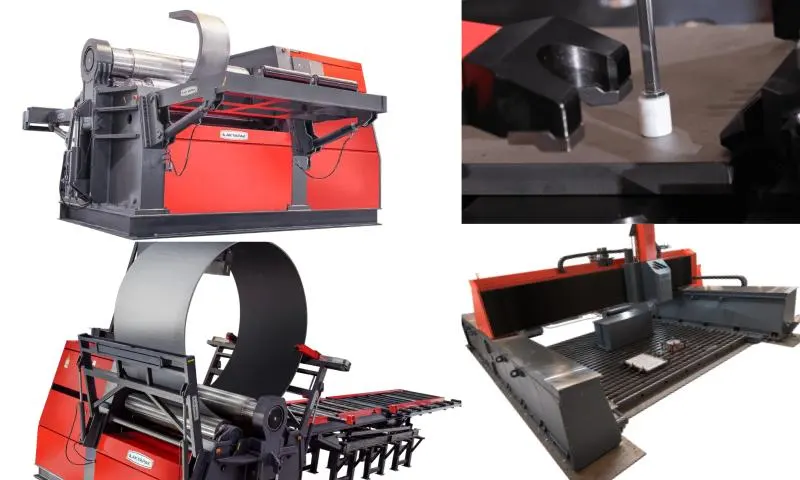
Cylinder bending is a technique that allows metal sheets to be formed into a cylindrical shape by bending them to a specific radius. For more information about cylinder bending, you can visit https://akyapak.com/kategoriler/metal-sekillendirme-makineleri/silindir-bukme-makineleri. However, some important points must be considered to perform this process successfully. It is of great importance to both increase production quality and ensure work safety. The use of the right equipment, material selection, and precise adjustment of process parameters form the basis of a successful bending process. The properties of the material to be used directly affect the success of the process. Thickness, hardness, and bending capability must be taken into account. While there is a risk of cracking in excessively hard or brittle materials, there is a high probability of deformation in excessively soft materials. It is important to choose the appropriate cylinder bending machine for the bending process.
Work Safety Precautions During the Cylinder Bending Process
The following technical points should be considered during cylinder bending. The surface of the metal sheet should be cleaned and checked for any defects. The machine rollers should be adjusted correctly to achieve the desired diameter and angle. Avoid making a full bend in one go; apply the progressive bending technique. It should not be forgotten that the material tends to open slightly after bending, and necessary corrections should be made. Work safety precautions should also be considered during the cylinder bending process. Employees should use protective equipment (gloves, glasses, etc.), and the machine's safety systems should be active. Machine operators should work carefully to prevent sudden pinching, and emergency stop systems should be accessible. Cylinder bending is a factor that directly affects both production quality and work safety. By using the right equipment and techniques, both flawless bending and employee safety can be ensured.





