
The Fundamentals of Theater: Drama and Performance
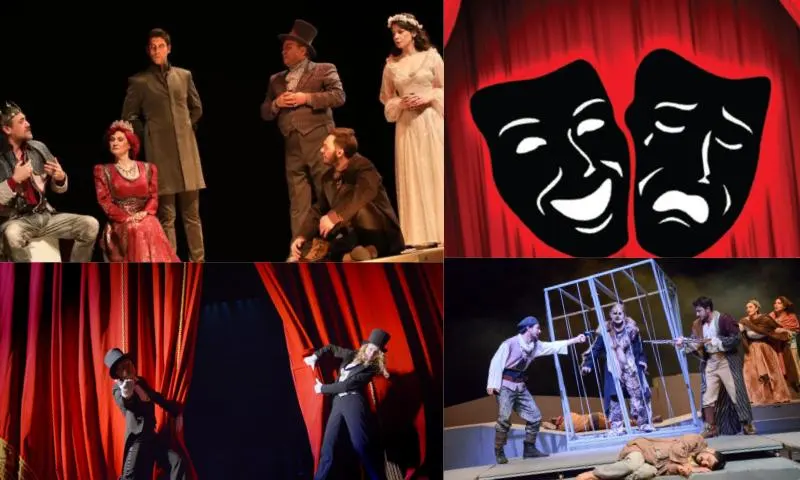
Theater is one of the oldest art forms in human history, born from the combination of drama and performance. Humans have always desired to express their emotions and the social events they experience on stage throughout history. A theatrical work is usually built upon a story or drama. This story is conveyed to the audience through characters who live and breathe on stage. Theater is an art form that combines spoken narration, body language, facial expressions, and voice. When actors portray their characters, they not only tell a story to the audience but also question social, cultural, and psychological depths. Theater offers a special experience that brings people together and unites them on the same emotional ground. For information on this subject and to ask your questions, you can look at the relevant online firms on web pages and examine them in detail.
The Historical Development of Theater
Theater has a long history dating back to Ancient Greece. The first theatrical performances were part of religious and social rituals, and over time, dramatic structures developed. In the 5th century BC, the Greeks created the genres of tragedy and comedy, which formed the fundamental building blocks of theater. Aristotle's work "Poetics" established the rules of the art of theater, and these rules gradually became the foundations of Western theater. In the Middle Ages, religious plays, and during the Renaissance, the works of great writers like Shakespeare led theater to its peak. Today, theater has evolved within a broader framework, reflecting different cultural and social perspectives. Modern theater has an understanding that breaks traditional structures, seeking more innovative and experimental forms.
Theater and Society
Theater serves a social function beyond being merely a means of entertainment. Plays on stage offer the audience the opportunity to question events in society, individual struggles, and social values. A theatrical performance sometimes criticizes the moral fabric of a society, and at other times, it deeply explores the internal conflicts of individuals. Theater makes people think, affects them emotionally, and creates social awareness. In the modern world, theater is still a powerful means of communication and can contribute to social change. Every play staged is not just a narrative but a powerful message attempting to influence the audience. Theater encourages people to think and see the world from different perspectives.





