
What is Pancreatic Cancer-Tumor?
Symptoms of Pancreatic Cancer
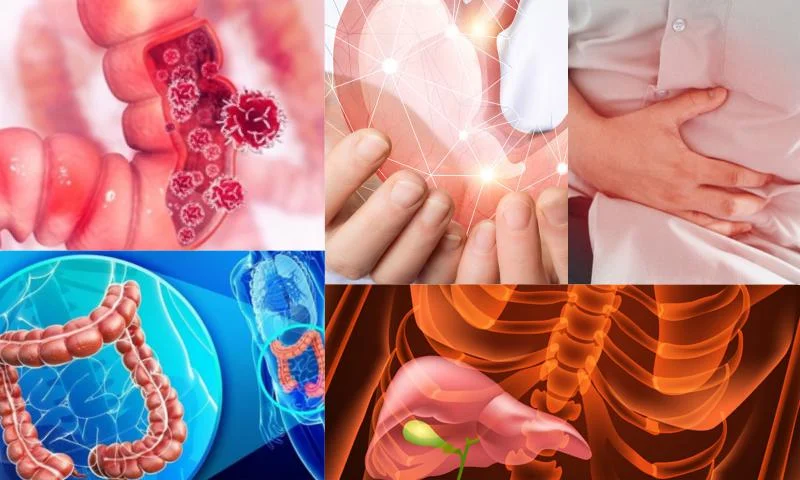
Tumors or masses seen in organs are generally indicators of cancer. Some of these can be benign, while others can be malignant. Benign ones are removed with a small surgical operation and do not require additional treatment. However, malignant ones are surgically removed and cleared so that no part of the organ remains. However, additional treatment methods are applied to eliminate cancer cells completely from the body and prevent them from multiplying again. You can contact us at for diagnosis and successful treatment of pancreatic cancer, stomach cancer, and liver cancer. Chemotherapy and radiotherapy or drug treatment methods are some of these. Especially, the pancreas is an important organ for nutrient absorption and digestion in the body, and pancreatic tumors are vital.
How is Pancreatic Tumor Treated?
The symptoms of liver, stomach, and pancreatic cancer are generally similar. Although the centers of pain are different, the symptoms are similar. Nausea, loss of appetite, and abdominal pain are among the symptoms of pancreatic tumors. In advanced stages, swelling, extreme weakness, and jaundice in the eyes and skin are observed. Back pain and darkening of urine color indicate that the disease has reached advanced stages. Due to loss of appetite, patients also experience rapid weight loss because they are not fed adequately and balanced. In many pancreatic cancers, the first symptom for patients actually appears as contracting diabetes. However, since tests and examinations are not performed on every patient diagnosed with diabetes, the diagnosis of the disease is delayed. First, the size of the tumor and the stage of the disease are determined. Whether the tumor is in a specific location or has spread also closely relates to the treatment process. Then, surgery is performed to remove the tumor from that area. Surgeries are performed as open or closed surgery. If the tumor is suitable for surgical removal, the Whipple procedure may be performed.





