
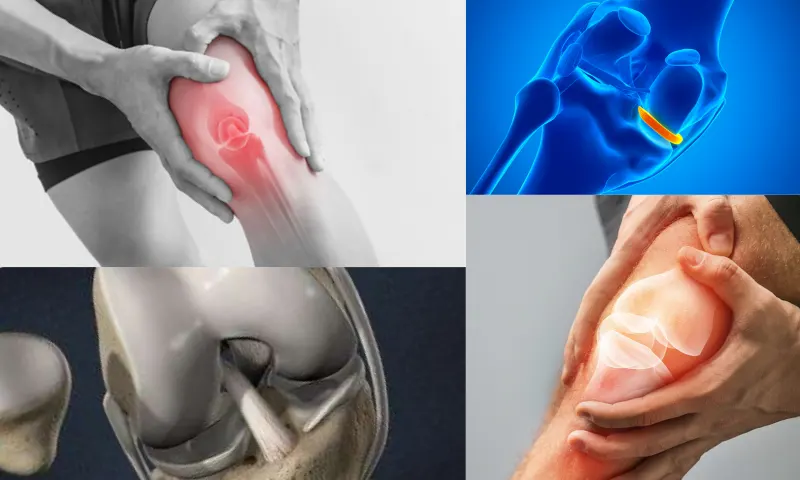
What is Meniscus and How is Meniscus Injury Occur?
The meniscus is a pair of cartilage structures located in the knee joint, specifically on the inner side of the knee. Each knee has two menisci, an inner and an outer one. The primary function of these structures is to act as a buffer between the bones in the knee joint and protect the joint during movement. Menisci also perform the shock-absorbing function of the knee, thereby reducing friction between the bones and preventing wear and tear in the joint. Meniscus injury typically occurs during sudden movements, sprains, jumps, or sports activities. Due to excessive strain on the knee or age-related factors, the menisci can wear out over time. A meniscus tear disrupts the stability of the knee, leading to pain, swelling, and restricted movement. Meniscus injuries are more common in athletes and older individuals. Different levels of symptoms can be observed in individuals with meniscus tears. For information and to ask your questions, you can look at the relevant online firms on internet pages and review them in detail. The most common symptoms are:
- Knee Pain: A meniscus tear causes pain that becomes more pronounced, especially during movement. Depending on the location of the tear, the pain may be in the front or the inner side of the knee.
- Swelling: After a meniscus injury, swelling may occur in the knee. Swelling is usually seen immediately after the tear and increases due to inflammation.
- Restricted Movement: Due to pain and swelling in the knee, patients may not be able to fully bend or extend their knees.
- Locking or Catching Sensation: A meniscus tear can lead to a catching or locking sensation in the knee. In this case, the knee may remain in a certain position and not move.
- Weakness: Due to a meniscus tear, there may be weakness and loss of stability in the knee. This can make it difficult for a person to walk or climb stairs.
Meniscus Treatment Methods
Meniscus treatment can vary depending on the type and severity of the tear, as well as the patient's age. Treatment options range from conservative approaches to surgical interventions.
- Physical Therapy and Medications: For mild meniscus injuries, pain and swelling can be managed with rest, ice application, bandages, and anti-inflammatory medications. Physical therapy may also be recommended to strengthen the knee.
- Meniscus Surgery: If the meniscus tear is severe or does not respond to conservative treatment, surgical intervention may be necessary. There are two main surgical methods for meniscus tears:
- Meniscus Repair: The torn meniscus is repaired and joined with sutures. This method is preferred for preservation when possible.
- Meniscus Resection (Partial Meniscectomy): A portion or the entire torn meniscus may be removed. This method is applied when meniscus repair is not possible.
- Rehabilitation: The post-surgery rehabilitation process is crucial. Physical therapy can help restore the knee's previous functions. Rehabilitation is necessary to increase muscle strength, improve joint mobility, and prevent future injuries.
In conclusion, meniscus knee pain can be a serious problem, but with early diagnosis and proper treatment, it is possible for individuals to regain their health. To protect against meniscus injuries, regular exercise, avoiding excessive strain, and maintaining a healthy lifestyle are important.





