
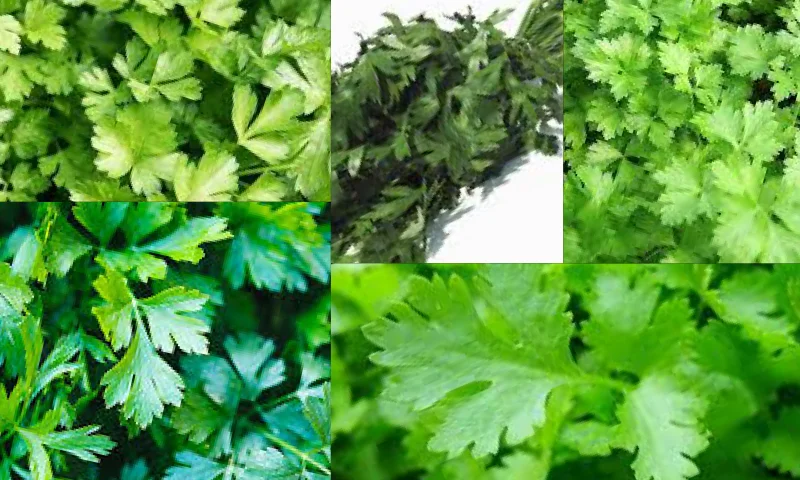
Effects and Benefits of Parsley
Parsley is a plant that is abundant in our country and can be found in every season. Parsley, an indispensable flavor enhancer in salads, is also very beneficial. Parsley contains iron, vitamin C, potassium, calcium, magnesium, chlorine, as well as vitamins A and B. Now let's see what parsley, with such a high nutritional value, is good for.
• Parsley cleanses the blood, clears bladder inflammation, and is particularly effective in passing kidney stones.
• It is good for liver disease and anemia.
• Parsley seeds have diuretic properties and facilitate menstrual bleeding.
• It protects against cancer and maintains body resistance against flu and colds.
• Parsley chewed before bedtime ensures restful sleep and eliminates bad breath.
• For nausea and even shortness of breath, chewing a pinch of parsley thoroughly and then sleeping provides relief.
• Parsley water, thanks to its high chlorophyll content, metabolizes oxygen by increasing blood.
• It plays a role in cleansing the liver, urinary tract, and kidneys.
• It also has benefits for the nervous system. Parsley contains folic acid, which is important for the functioning of the nervous system. Another benefit of folic acid is that it bends in the first part of the small intestine and then goes to the liver to be metabolized there.
Parsley is an appetite-stimulating herb.
It is also said to have aphrodisiac (sexual performance-enhancing) effects. Parsley can be and is used as a cosmetic ingredient. It is an effective plant for skin and hair loss problems. It nourishes and shines the hair. It is known to reduce hair loss. It provides radiance and smoothness to acne-prone, rough skin. How to use: Boil 1 bunch of washed parsley with its stems in 2 cups of boiled water over low heat, covered, for 5 minutes, then let it steep for 20 minutes. After steeping, strain it. Then wash your clean skin with the strained parsley water. You can apply it 2-3 times a day.





