
Where is Rubber Used?
What Raw Materials Are Used in Rubber Production?
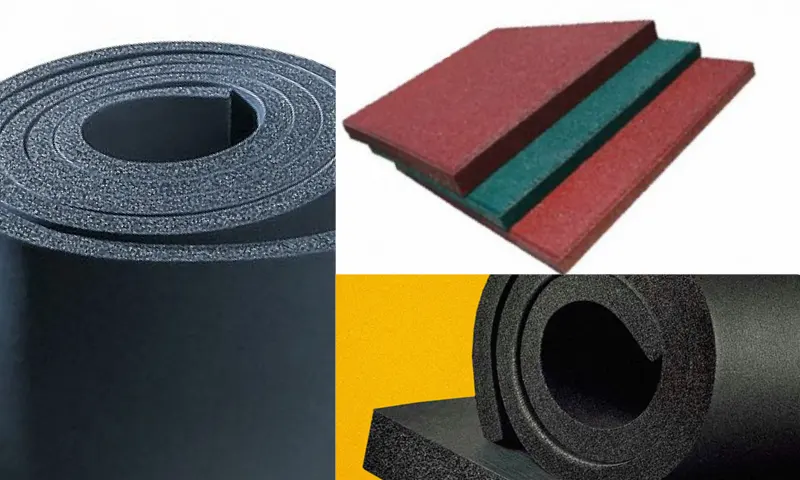
Rubber is an important material used in many industries thanks to its flexibility and durability. Its use in the automotive industry is widespread in areas such as tire production, seals, hoses, and suspension parts. In the construction sector, it is preferred for insulation materials, vibration-damping floor coverings, and the production of sealing elements. In the medical field, it is an important component in the production of gloves, hoses, and medical equipment. In the electrical sector, rubber is used as an insulator and provides safety in cable coatings. It is the main raw material for many everyday products, from sports equipment to shoe soles. The wide range of applications for rubber material stems from its properties of flexibility, durability, and chemical resistance. For detailed information about rubber, you can visit the web address https://quadrokimya.com/.
What are the Differences Between Rubber Types?
The raw materials used in rubber production vary depending on whether the material is natural or synthetic. Natural rubber is obtained from the milky latex sap of a tree called Hevea brasiliensis. This sap is solidified by coagulation and processed into a usable form. In synthetic production, monomers such as styrene, butadiene, and isoprene, which are petrochemical derivatives, are used. These substances are combined through polymerization processes, and various types with different properties are created by adding various chemicals. Rubber is generally divided into two main groups: natural and synthetic. While natural rubber is known for its high flexibility and durability, synthetic types have been developed for specific properties. SBR (Styrene-Butadiene Rubber) is often used in car tires because of its high abrasion resistance. NBR (Nitrile Rubber) is preferred in industrial hoses and seals because it is resistant to oil and fuel. EPDM rubber is resistant to weather conditions, making it common in outdoor applications. Silicone stands out in the electronics and medical sectors due to its high-temperature tolerance.





