
What is Detergent Thickeners and Why Are They Used?
Types of Detergent Thickeners and Their Working Mechanism
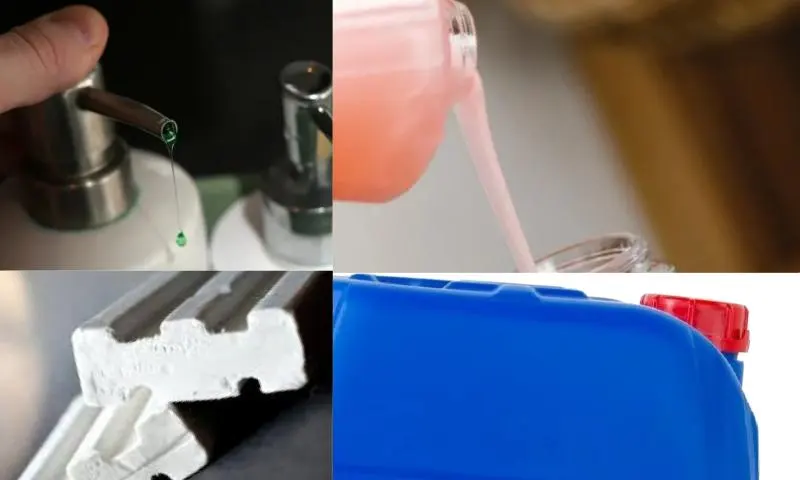
Detergent thickener is a chemical component that provides liquid detergents with a denser structure. You can visit https://aciselsan.com.tr/urunlerimiz/deterjan/ for more information about detergent thickeners. Balancing the consistency in liquid detergents used for laundry, dishwashing, or surface cleaning enhances product quality and user experience. Liquid detergents are generally produced in a fluid form, and achieving the right consistency is important for both packaging and ease of use. Thanks to thickeners, detergents are brought to the desired density, and the product's performance is optimized.
Advantages of Using Detergent Thickeners
Thickeners can be of different types, and these types are generally selected according to the formulation of the detergent used. The most commonly used thickeners are synthetic polymers and natural gums. Simple ingredients such as sodium chloride (salt) can be used to increase viscosity in some liquid detergents. In addition, acrylic polymers and cellulose derivatives are frequently preferred in the detergent industry. The working principle of thickeners is based on increasing the product's viscosity by regulating the interaction between water and other components in the detergent. This allows the detergent to adhere better to surfaces, making the cleaning process more effective. The use of detergent thickeners offers various advantages to both manufacturers and consumers. From a production perspective, the right thickeners increase the stability of the detergent and extend the product's shelf life. It also creates an image of a denser and higher-quality product aesthetically. For consumers, a thickened detergent provides more controlled use and spreads evenly on surfaces during cleaning. Detergent thickeners play a vital role in detergent production. A correctly formulated product enhances cleaning performance.





