
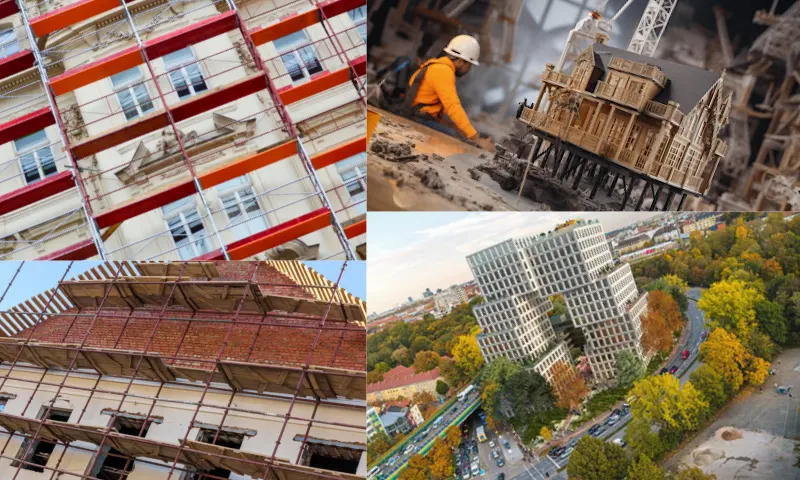
What is Building Renovation and Why is it Important?
Building renovation is the process of improving the physical condition of an existing structure, making it safer, more aesthetic, and more functional. Renovation generally involves the rebuilding of the interior and exterior facades, infrastructure, systems (electricity, plumbing, etc.), and sometimes structural elements of buildings. In buildings that have aged over time, worn-out materials and outdated systems reduce the quality of life and pose safety risks. Building renovation supports environmental sustainability by increasing the energy efficiency of buildings. Old buildings often suffer from insulation deficiencies, old heating systems, and inefficient energy use. These problems can be eliminated through renovation, thus reducing energy consumption and minimizing negative impacts on nature. Furthermore, aesthetically aged buildings can be given a modern appearance, thereby increasing the comfort of living spaces. For information on this subject and to ask your questions, you can look at the relevant online firms on web pages and examine them in detail from here.
Building Renovation Process and Steps
The building renovation process should be carried out with careful planning and a phased approach. The first step is to evaluate the current condition of the structure. In this stage, structural engineers and architects analyze the building's structural safety, ground conditions, waterproofing, electrical, and plumbing systems. Defective or damaged areas are identified. Then, the design phase begins. The changes to be made during renovation are determined according to the needs and purpose of use of the building owners. Interior arrangements, solutions that provide energy efficiency with new technologies, modern heating and cooling systems, and details such as insulation are clarified in the design phase. Finally, the construction process begins. In this stage, all renovations are brought to life. Interior arrangements, exterior facade repairs, infrastructure renewal works, and the installation of new systems are carried out. All these steps must be meticulously implemented in accordance with the building's purpose of use and regulations.
Economic and Social Benefits of Building Renovation
Building renovation not only makes structures more habitable but also provides economic and social benefits. The values of renovated buildings increase, providing a significant return on investment for property owners. Furthermore, the renovation of old and dilapidated buildings also increases the value of surrounding properties. From a social perspective, building renovation improves the appearance of neighborhoods, thereby increasing the quality of life. Renovated buildings increase social awareness and sense of ownership. Additionally, building renovation projects create new employment opportunities in the construction sector and support the local economy. Instead of building new structures in place of old ones, renovating existing structures demonstrates an environmentally friendly approach, ensuring more efficient use of natural resources. Building renovation offers more comfortable living spaces individually, as well as providing long-term social and environmental benefits.





