
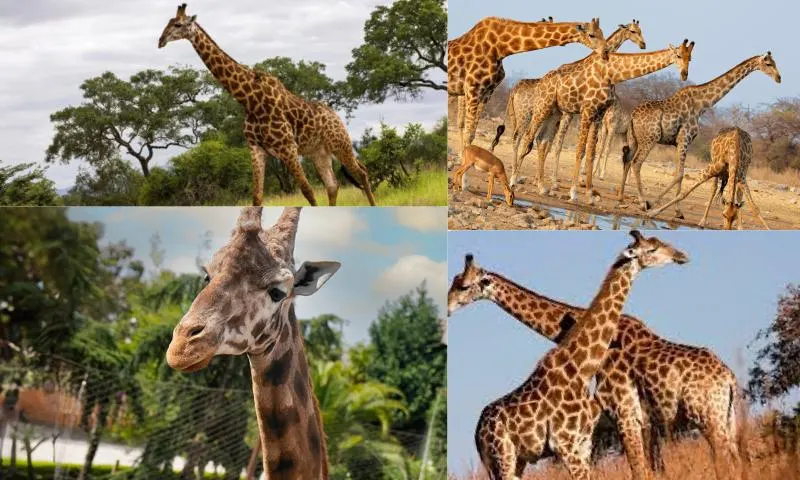
Giraffes: Nature's Long-Legged Giants
Giraffes, native to the vast savannas and woodlands of Africa, are the tallest land animals in the world. These elegant creatures are known for their impressive height and long necks. Adult giraffes can reach up to 4.5 meters in height, while male giraffes can sometimes reach up to 5.5 meters. This unique height gives giraffes the advantage of reaching leaves on tall trees. By accessing areas unreachable by other large herbivores, they gain a significant advantage in finding food. Giraffes generally live in herds, and these herds form social bonds to protect each other. Although giraffes have long necks, their body structure is quite slender, allowing them to move quickly and navigate their surroundings with ease. For information on this topic and to ask your questions, you can check out relevant online companies on web pages and examine them in detail here.
Physical Characteristics and Feeding Habits
One of the most striking features of giraffes, in addition to their long necks, is their extremely long legs. These long legs allow giraffes to run fast. A giraffe can reach speeds of up to 50 kilometers per hour when in danger. Giraffes' feeding habits are consistent with these physical characteristics. Leaves from tall trees form the main source of food for giraffes. Giraffes particularly prefer acacia leaves. Unlike other herbivores, giraffes do not need to drink much water, as they meet their water needs from their food. This feature allows them to adapt to arid regions. The trees that giraffes eat from are also home to other animals, so their relationship with other species in the ecosystem is complex.
The Role of Giraffes in the Ecosystem and Their Conservation
Giraffes play an important role in the ecosystems they inhabit. Their long necks allow them to consume vegetation at different heights, thereby controlling plant diversity in the ecosystem. This allows other animals to benefit from lower-lying plants. Furthermore, by consuming plants, giraffes can influence their reproductive processes, which helps maintain the balance of surrounding ecosystems. However, giraffe populations have been declining rapidly in recent years. Habitat loss, human activities, and hunting pose significant threats to giraffe conservation. Some giraffe species are classified by the International Union for Conservation of Nature (IUCN) as endangered. Therefore, conservation programs and the improvement of natural habitats are necessary for the protection of giraffes. Conservation efforts will help these magnificent animals survive for future generations.





