

Designer Furniture: Where Functionality Meets Aesthetics
Designer furniture is the process of aesthetically designing furniture used to organize living spaces such as homes or workplaces. This type of furniture is not only functional but also adds elegance and style to interior spaces. Designer furniture is creatively designed using different materials, colors, forms, and craftsmanship techniques. You can look at related online companies on internet pages for information on this subject and to ask your questions, and you can examine them in detail from here.
The History and Development of Designer Furniture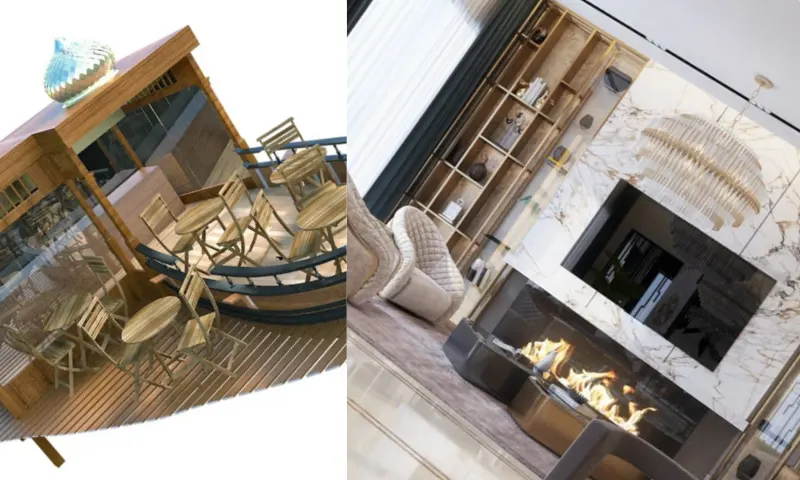
The concept of designer furniture emerged with the development of the modern furniture industry. In the early 20th century, movements such as Bauhaus, Art Deco, and Modernism shaped the understanding of designer furniture. During this period, many famous designers (such as Le Corbusier, Charles and Ray Eames, Ludwig Mies van der Rohe) became known for their designer furniture and brought a new perspective to the industry. Today, designer furniture continues to transform homes and workplaces by prioritizing not only functionality but also aesthetics.
Materials and Craftsmanship Used in Designer Furniture
Various materials can be used in the production of designer furniture. Materials such as wood, metal, glass, and plastic are selected according to the requirements of the design. In addition, hand craftsmanship and modern production techniques are also used in the production of designer furniture. Specially designed details, wood carvings, metalwork, etc., can give furniture a unique look. Designer furniture is used not only in home decoration but also in commercial areas such as workplaces, hotels, and restaurants. In such spaces, the choice of designer furniture plays an important role in determining the atmosphere of the space. Stylish and modern designer furniture can attract customers by adding a contemporary feel to spaces and strengthen the brand image.