
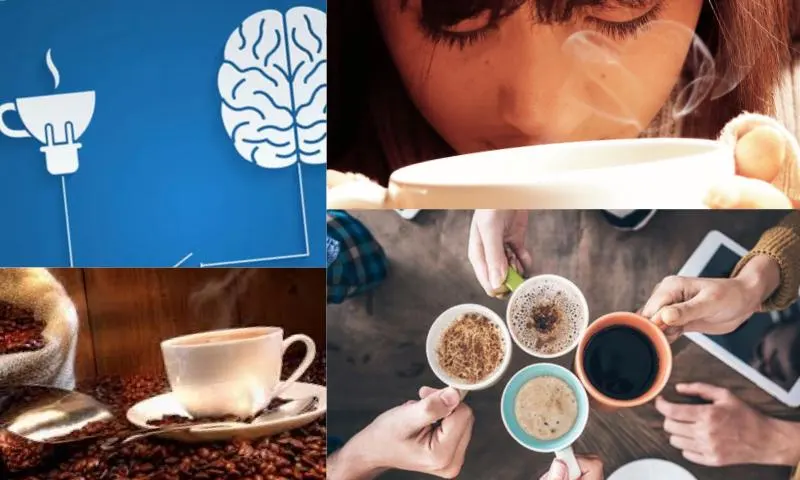
What is Caffeine Addiction and How Does It Develop?
Caffeine is a stimulant found in many foods such as coffee, tea, energy drinks, and chocolate. Caffeine, which increases alertness by affecting the central nervous system, can be addictive when consumed regularly. Caffeine addiction is a condition where a person feels the need to consume a certain amount of caffeine during the day and cannot feel energetic without increasing this amount. Addiction usually develops over time; as the brain gets used to caffeine, it needs more to achieve the same effect. You can look at related online companies on internet pages to get information on this subject and ask your curious questions, and examine them in detail from here.
Symptoms and Harms of Caffeine Addiction
Caffeine addiction can manifest with various physical and psychological symptoms. Feeling tired in the morning without drinking coffee, frequently reaching for caffeinated drinks during the day, headaches, irritability, difficulty concentrating, and sleep problems are the most common symptoms of caffeine addiction. Excessive caffeine consumption can lead to health problems such as heart palpitations, high blood pressure, and digestive system disorders. Moreover, it can disrupt the sleep pattern, increasing the feeling of fatigue, which in turn can lead to a cycle of consuming more caffeine.
Ways to Quit Caffeine Addiction
It is important to adopt a gradual approach to reduce or completely quit caffeine addiction. Instead of quitting abruptly, slowly reducing daily caffeine intake can facilitate the body's adaptation process. Choosing decaffeinated beverages, consuming adequate water, and establishing regular sleep habits can help overcome addiction. Additionally, turning to herbal teas or natural energy sources can help obtain the feeling of alertness provided by caffeine in healthier ways. Quitting caffeine addiction is an important step that enhances overall health and quality of life. Consequently, caffeine addiction is a condition that can develop unnoticed and affect daily life. It is possible to prevent this addiction by developing conscious consumption habits and finding alternative solutions.





