
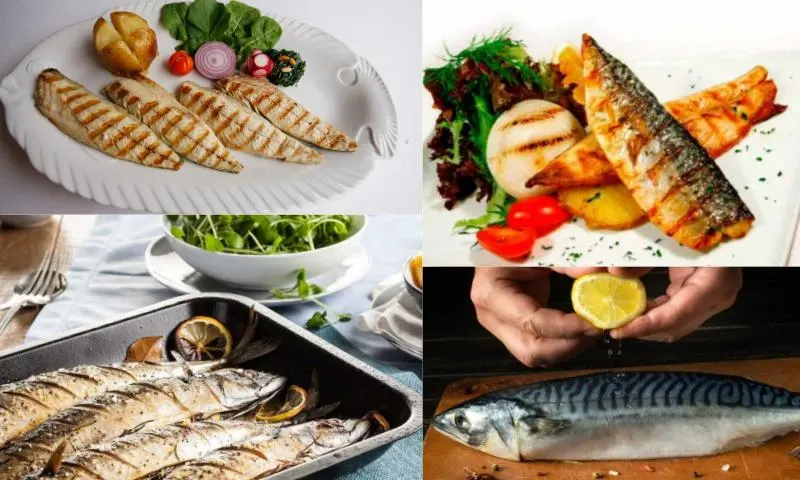
Let's Get to Know the Mackerel Fish
Mackerel is a delicious type of fish that is abundant in our seas and especially adorns our tables in the winter months in our country. It can be easily recognized by its slender, long body, bluish-greenish tones on its back, and a silvery white on its belly. Mackerel, which are generally 20-30 cm long, attract attention with their fast swimming ability. It has a wide distribution area such as the Atlantic Ocean, Mediterranean Sea, and Black Sea. Mackerel swim in schools and feed on plankton. As it is a migratory species, it moves according to the seasons. There are particularly dense migration routes between the Marmara and Black Seas. Mackerel, which has high economic value for fishermen, is in high demand during fishing seasons. Also, its ease of cleaning and short cooking time make it a practical option in kitchens.
Health Benefits
Mackerel is very rich in omega-3 fatty acids. Thus, it protects cardiovascular health and helps lower bad cholesterol (LDL). It is also recommended especially for children and the elderly as it supports memory development and strengthens brain functions. It also contains plenty of vitamin B12, vitamin D, phosphorus, and selenium. Regular consumption of mackerel contributes to strengthening the immune system. It also naturally provides the combination of calcium and vitamin D necessary for bone health. Since consuming fatty fish at least once a week is recommended, mackerel is an ideal choice to meet this need. Its low calorie content is an added advantage for those on a diet.
How to Consume Mackerel?
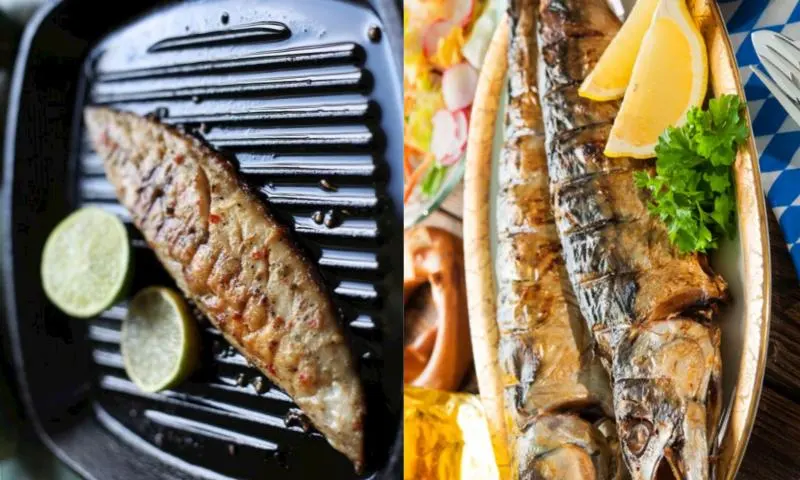
Mackerel, with its flavor and texture, can be prepared in many different ways. One of the most common methods is pan-frying. It is possible to obtain a very delicious meal just by salting it and frying it in a little oil. When baked in the oven with vegetables, it offers a healthier alternative. Flavoring it with lemon and fresh thyme enriches its aroma. In addition, pickled mackerel is also made; its smoked or marinated forms are quite popular, especially in northern countries like Norway and Sweden. In Turkey, the gradual decrease of old, large mackerel varieties "confused with bluefish" has made this fish even more valuable. Freshness is important; its eyes should be bright and lively, and its flesh firm. These details should be paid attention to when buying mackerel. When consumed in season, it is an extremely beneficial seafood both economically and for health.
Bonus: Baked Mackerel Recipe
Ingredients:
- 2 medium-sized mackerel
- 1 lemon (thinly sliced)
- 1 onion (sliced into rings)
- 2 cloves of garlic
- 1 teaspoon olive oil
- Salt, black pepper, thyme, red pepper flakes
- 1-2 sprigs of parsley (optional)
Preparation:
- Clean the mackerel, remove the internal organs, wash them with plenty of water, and let them drain.
- Salt the inside and outside of the fish. Sprinkle with black pepper and thyme.
- Line a baking sheet with parchment paper. Place the mackerel on it.
- Place lemon slices, garlic, and onion rings inside. Drizzle with olive oil.
- Bake in a preheated oven at 180°C for about 25-30 minutes.
- You can sprinkle finely chopped parsley on top after removing from the oven.
- Serve hot; it goes wonderfully with arugula salad and a few drops of lemon. Enjoy your meal!





