
Benefits of a Music School: Gaining Talent and Knowledge
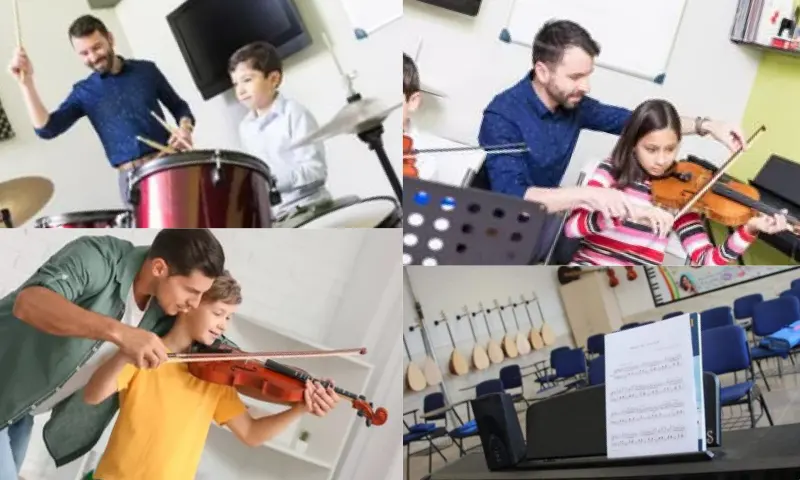
Music schools teach students fundamental music knowledge such as music theory, instrument playing techniques, note reading, and vocal training. This knowledge is essential for performing music professionally. Individuals who receive training at a music school have the opportunity not only to gain music knowledge but also to develop their musical expression. In addition to these, music schools provide students with social skills such as teamwork, stage performance, and cooperation. Group music studies help individuals develop both technically and socially. Furthermore, music schools offer a broad perspective on different music genres, diversifying students' musical taste. For information on this subject and to ask your questions, you can check the relevant online firms on their web pages and examine them in detail from here.
The Role of Instructors: A Good Instructor Brings Success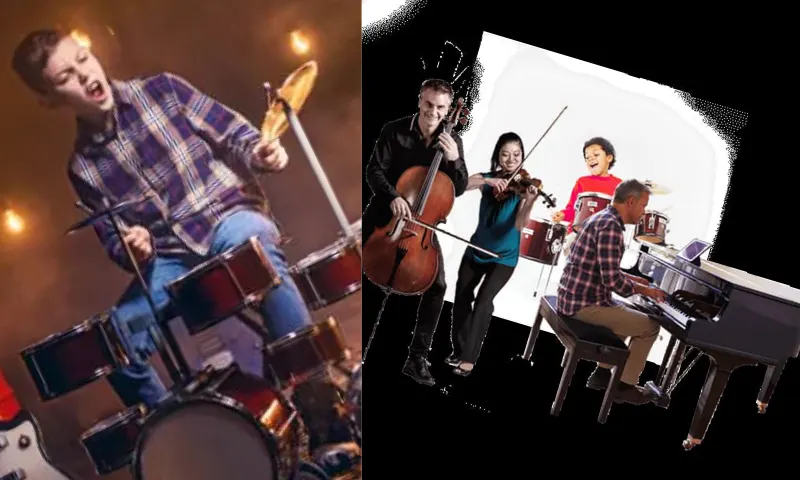
The success of music schools largely depends on the quality of their instructors. Expert, experienced, and motivational instructors can instill a love for music in students and effectively impart technical knowledge to them. Instructors identify students' strengths and help them further develop these strengths, while also focusing on weaknesses to support their personal growth. Moreover, a good music teacher instills proper study habits in their students and ensures they develop the right attitudes towards music. The contribution of music instructors to the psychological and emotional development of students cannot be overlooked. Under the guidance of their instructors, students can increase not only their technical skills but also their musical expression and self-confidence.
The Impact of Music School on Personal Development: Discipline and Creativity
Music school greatly contributes to students' personal development. Music education supports both mental and emotional growth. The discipline learned in music schools also reflects in other areas of students' lives. Regularly playing an instrument, memorizing, and performing on stage increase students' self-confidence and instill a sense of responsibility. Furthermore, music education encourages creativity. As students express themselves with their instruments, they develop creative thinking skills by choosing from different melody and harmony options. Music enhances individuals' emotional intelligence, thereby strengthening their empathy skills. The time spent at music school allows students to develop not only their musical skills but also their life skills. Music schools are an important opportunity not only for individuals who want to receive music education but also for anyone who wants to develop self-expression, discipline, and creative thinking skills. Beyond imparting talent, music schools make individuals' lives more colorful and meaningful through their contribution to personal development.





