

Why is Studying Medicine Important?
Studying medicine plays a vital role in improving people's quality of life and creating a healthy society. Medical education teaches students the functioning of the human body, diseases, and their treatment methods. Having knowledge in critical areas such as protecting public health, early diagnosis, and treatment of diseases is among the most fundamental responsibilities of a doctor. Through medical education, students adopt ethical principles and learn to use scientific methods to practice their profession in the best way possible. Furthermore, studying medicine not only saves individual lives but also contributes to the overall health of society, helping to build a healthier future. For information on this topic and to ask your questions, you can look at related online firms on web pages and conduct a detailed review from there.
The Challenges and Dedication Required for Studying Medicine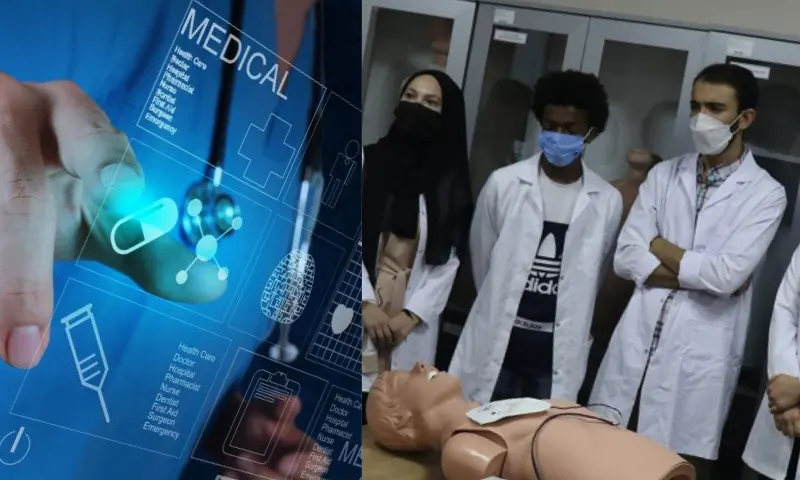
Medical education is one of the most challenging academic paths many students face. It requires a long and intensive period of education; typically, after 6 years of basic medical education, specialization training and continuous professional development are also necessary. During this process, students must focus on practical applications as much as theoretical knowledge. Intensive course programs such as laboratory work, clinical internships, and patient care require medical students to be disciplined and patient. At the same time, studying medicine is a profession that requires continuous learning and self-improvement. Innovations in medicine are constantly emerging, making it essential for doctors to keep themselves updated throughout their professional lives.
The Future of Medical Education: Technology and Innovations
Like many other disciplines, medical education is also influenced by technological innovations. Today, medical students can better reinforce their theoretical knowledge and improve their practical skills in a safer environment thanks to technological tools such as virtual reality and simulations. Furthermore, technological advancements like artificial intelligence and robotic surgery are revolutionizing the medical world, allowing doctors to provide better services to patients. The evolution of medical education to encompass these innovations will ensure that future doctors are more equipped and innovative. The integration of technology into medical education enhances the quality of healthcare services while also offering new opportunities for students to develop themselves.