
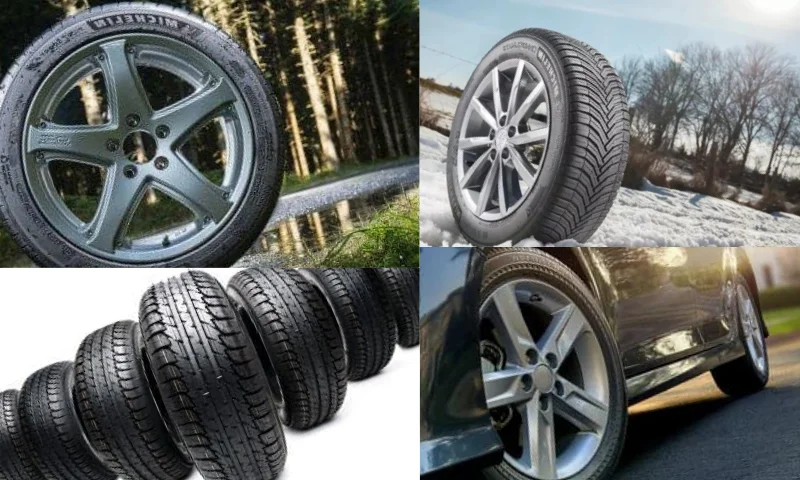
What to Consider When Buying Winter Tires
Winter Tires
Winter tires should be preferred for safe travel in cold weather conditions, such as snow, ice, and heavy rain. Winter tires should be used in adverse weather conditions for the vehicle to brake, turn, and prevent accidents. Unlike summer and all-season tires, they do not harden in winter and do not lose their traction. Tires are the most important factor affecting a vehicle's performance and progress on a bad road. The reason for their preference is to ensure that the vehicle's speed and performance are not affected under any circumstances. You should also use them on all wheels of your car for a safe journey. If used for their intended purpose, they offer a longer-lasting experience. For more information on this topic, you can visit.
Winter Tire Prices
The treads of winter tires should be spaced more closely, and the patterns should be designed for winter conditions. This is because the tire should not harden in cold weather and should not lose its performance. Unlike other tires, tires with good traction and performance should be preferred. The speed index of the tire and the road grip class should be considered when purchasing. Fuel consumption is also one of the factors to consider when choosing winter tires. Let's not forget that those with the best features in these classifications proceed alphabetically. If you wish, you can also add the noise level to these feature selections. It is recommended to use them to gain a safe driving experience and maintain vehicle control. The production year, road grip class, and speed index are important features that determine the tire price. When researching prices, Kormoran models are seen to be the cheapest, while Michelin models are the most expensive. A Pirelli model manufactured last year is currently selling for 1,771 TL. It has a tire width of 205, a aspect ratio of 55, and a rim size of 16 inches.





